Background
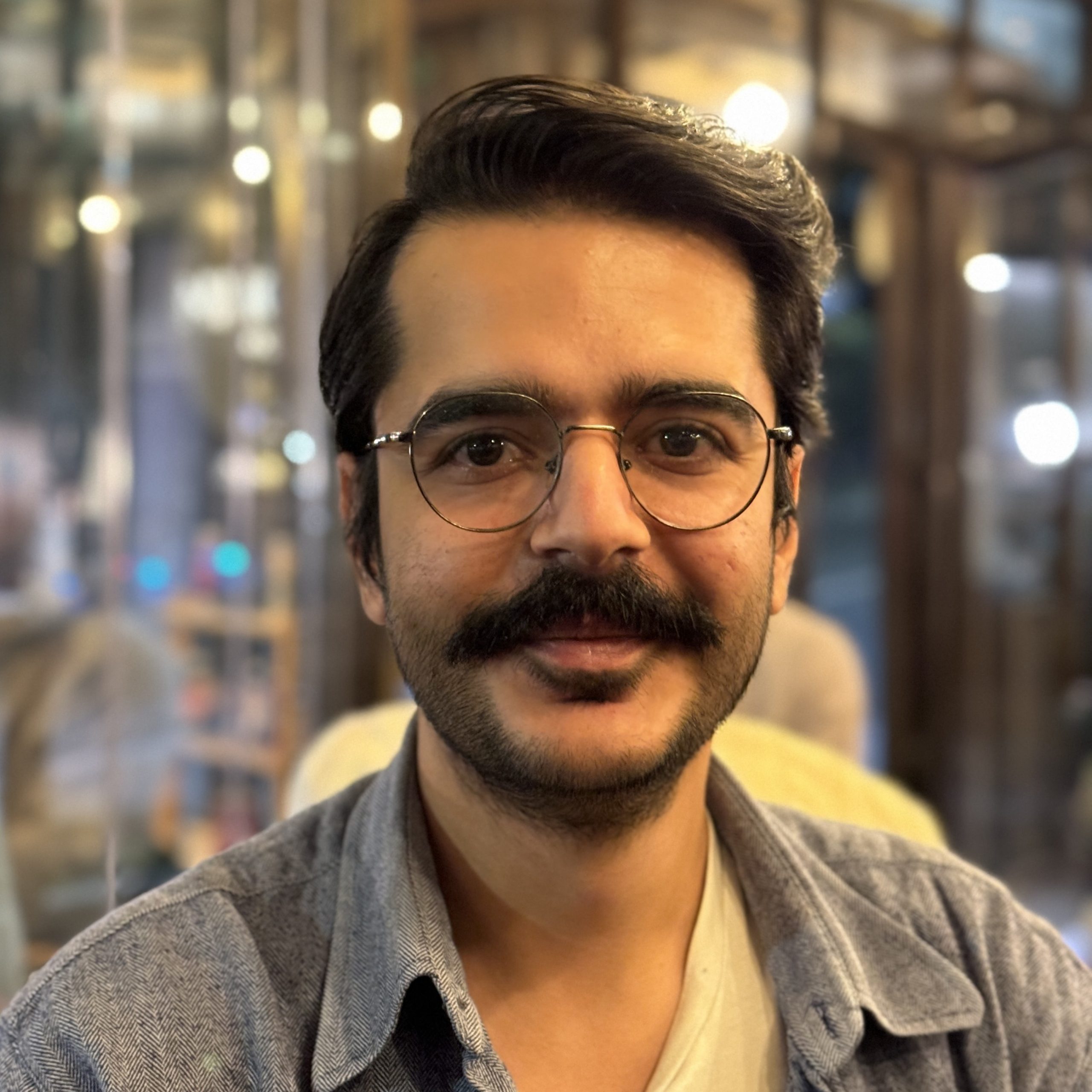
I am Cevdet Enes, a civil engineer and researcher from Istanbul, Turkey, with a focus on structural dynamics and Structural Health Monitoring (SHM). I earned my B.Sc. in Civil Engineering from Boğaziçi University, graduating with honors and ranking 3rd in my class. I then completed my M.Sc. in Structural Engineering at the same university. My thesis is about a vision-based monitoring approach to estimate cable tensions in a cable-stayed bridge by combining modal identification with Finite Element (FE) modeling and model updating for verification. Alongside my academic training, I have worked as a graduate teaching and research assistant. Through these roles, I have gained hands-on experience in experimental and analytical evaluation of structural behavior, connecting measurement-driven insights with modeling and verification to support reliable assessment and decision-making in vibration-based assessment and monitoring of different types of structures.
Motivation
I am involved in DC8 – TWINS: Probabilistic Digital Twins for continuous bridge performance. The project’s goal is to develop a probabilistic digital twin for improved bridge maintenance planning, and it aligns with my background in real SHM systems, system identification, and FE-based verification. It also provides a clear link between monitoring data and reliability-based maintenance decisions. I am especially motivated to develop a Probabilistic Digital Twin (PDT) by combining nonlinear FE deterioration models with observations from a continuously monitored bridge. This will help me simulate many realistic performance scenarios including deterioration, environmental effects, loading history, and measurement noise. By studying how measurable responses such as dynamic characteristics and displacements change with different types and levels of degradation, I aim to improve the detection and interpretation of it over time. Finally, my goal is to develop practical tools and simple guidelines that help engineers schedule maintenance at the right time, reduce long-term costs, and improve safety and service continuity under real-world conditions.